
Brush, Hairline
and Satin Finish Explained
Compare three popular directional stainless-steel finishes and understand their appearance, texture, maintenance, manufacturing and architectural applications.
The finish changes how stainless steel behaves visually.
Choosing the correct stainless-steel grade establishes corrosion resistance, strength and suitability for the environment. Choosing the surface finish determines how the material reflects light, reveals fingerprints, conceals minor wear and contributes to the character of an architectural space.
Brush, Hairline and Satin finishes are often grouped together because all three are mechanically produced, low-to-medium-reflectivity surfaces. However, they are not visually identical. Their grain definition, tactile feel, light diffusion and perceived quality can differ significantly depending on abrasive selection, line speed, pressure and quality control.
Finish names are widely used in the industry, but exact visual appearance can vary between suppliers. Physical samples or approved control panels should therefore be reviewed before full production for major architectural projects.
What makes a finish directional?
A directional finish is created when abrasives move predominantly in one direction across the stainless-steel surface. This produces linear grain that guides reflected light along the polishing direction. The stronger the grain, the more pronounced the directional effect.
What the finishing process controls
- Grain width, depth and continuity
- Surface roughness and tactile texture
- Gloss level and light diffusion
- Visibility of fingerprints and minor scratches
- Consistency between sheets and fabricated components
Why samples matter
Terms such as Brush, Hairline and Satin can describe a range of appearances. Lighting, viewing distance, sheet direction and protective film can also affect how the finish is perceived on site.
Three finishes. Three distinct visual characters.
Brush
Clearly defined linear grain with a practical, modern and slightly industrial character.
Hairline
Fine, continuous lines that create a refined directional appearance for premium interiors.
Satin
A softer, lower-sheen surface that diffuses light and produces a calm contemporary look.
Brush Finish
Brush Finish is normally created using abrasive belts or wheels that leave a visible, uniform grain. It is popular where a modern metallic appearance must also tolerate frequent handling and routine cleaning.
- Strong and readable grain direction
- Good concealment of minor use marks
- Suitable for elevators, kitchens and commercial interiors
Hairline Finish
Hairline uses finer abrasives and tighter process control to produce narrower, more continuous lines. The result is visually precise and often preferred for luxury architectural metalwork.
- Fine, elegant and consistent grain
- Premium appearance at close viewing distance
- Ideal for hotels, retail and feature panels
Satin Finish
Satin Finish has a smooth, subdued appearance with less aggressive line definition. Depending on the production system, the grain may remain directional but appears softer because light is scattered more evenly across the surface.
- Reduced glare and soft metallic sheen
- Contemporary, understated visual character
- Suitable for premium furniture, interiors and decorative cladding
Side-by-side performance and appearance.
| Feature | Brush | Hairline | Satin |
|---|---|---|---|
| Grain visibility | Pronounced | Fine and continuous | Soft or subtle |
| Reflectivity | Medium | Low to medium | Low to medium |
| Visual character | Modern / industrial | Refined / architectural | Soft / contemporary |
| Fingerprint visibility | Generally low | Generally low | Often very low |
| Minor scratch concealment | Very good | Good | Good |
| Cleaning difficulty | Easy | Easy | Easy |
| Best suited to | High-traffic commercial use | Premium architectural work | Quiet luxury interiors |
Performance depends on the exact abrasive system, grain direction, stainless-steel grade, fabrication quality, exposure conditions and cleaning practices.
Consistency is created through controlled production.
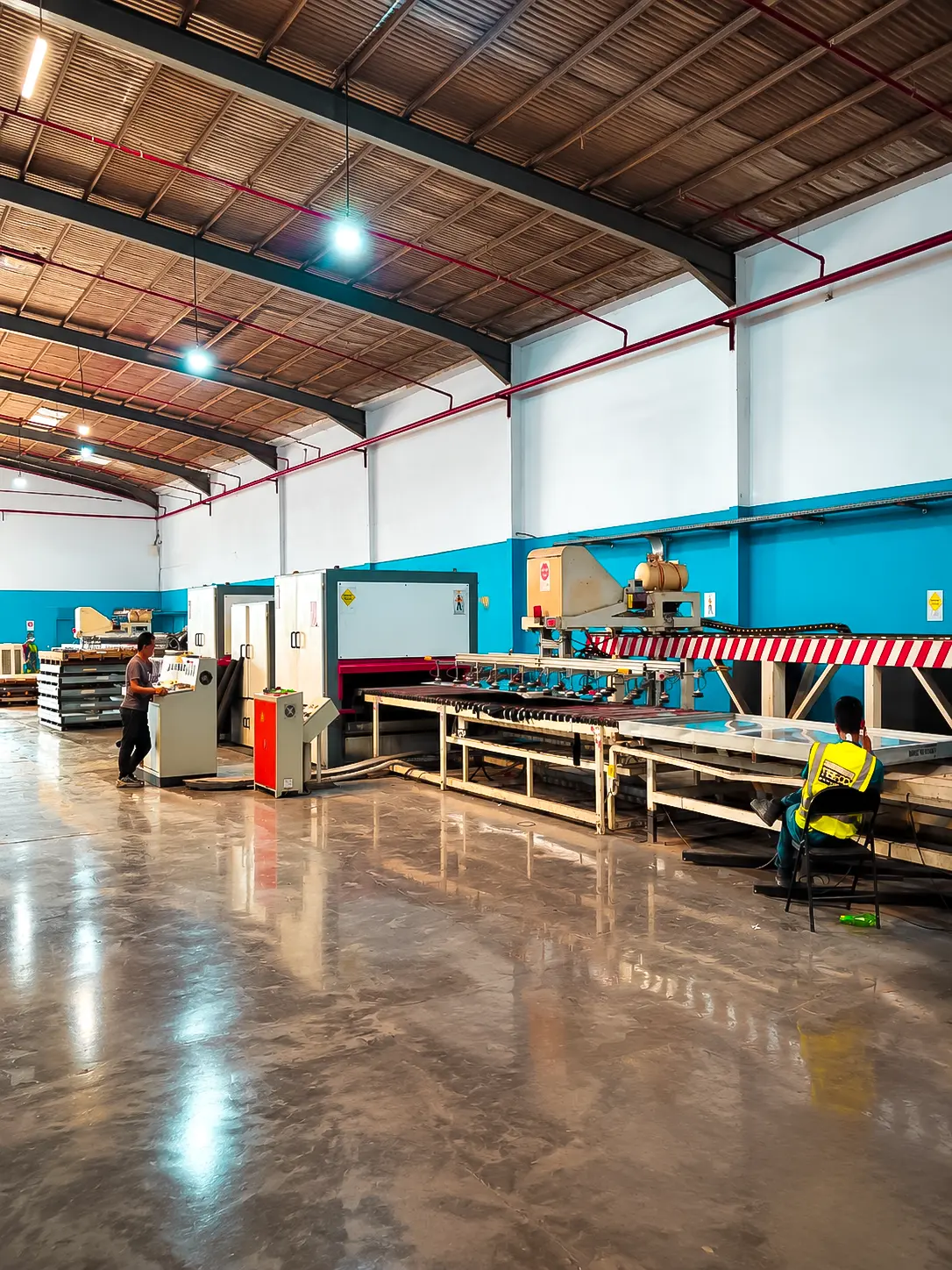
Decorative finishing is not simply a single polishing pass. A premium result requires controlled preparation, abrasive selection, belt condition, pressure, feed speed, cooling, cleaning and final inspection.
Incoming Material Inspection
Sheets are checked for grade, flatness, defects and suitability for the specified finish.
Surface Preparation
Oil, oxidation, handling marks and surface contamination are removed before finishing.
Abrasive Finishing
Selected belts, brushes or non-woven media create the required Brush, Hairline or Satin texture.
Directional Control
Feed speed and abrasive movement are controlled to keep the grain straight and consistent.
Cleaning and Inspection
The surface is evaluated under suitable lighting for uniformity, scratches, banding and contamination.
Protective Film
Approved sheets receive protective film before handling, fabrication, transport or further processing.
Designed for high-contact architectural environments.
Directional finishes are valued because they balance metallic character with practical maintenance. Their controlled grain makes them especially useful on large panels and frequently handled surfaces.
Clean with the grain, not across it.
Routine care is straightforward when suitable products and methods are used. Cleaning should follow the grain direction to preserve visual uniformity and avoid creating cross-grain marks.
Recommended
- Use a clean, soft microfiber cloth
- Use warm water and mild pH-neutral cleaner
- Wipe in the direction of the grain
- Rinse residue and dry the surface
- Test unfamiliar products on a concealed area
Avoid
- Steel wool or contaminated metal tools
- Harsh abrasive pads and powders
- Strong chlorine-based cleaning chemicals
- Aggressive acidic or alkaline products
- Scrubbing across the grain direction
Color follows the texture beneath it.
Brush, Hairline and Satin surfaces can be used as base finishes before PVD coating. The PVD color changes the metallic tone while allowing the underlying texture to remain visible. This makes it possible to combine directional grain with Champagne Gold, Classic Gold, Rose Gold, Bronze, Copper, Black Titanium and other architectural colors.
Approve the base finish and PVD color together. The same PVD color can look noticeably different on Hairline, Satin and Mirror surfaces because each texture reflects light differently.
Common specification questions.
Brush Finish usually has a more visible and pronounced grain. Hairline Finish uses finer, more continuous lines and generally creates a more refined architectural appearance.
Low-sheen directional finishes generally make fingerprints less noticeable than mirror surfaces. Satin often performs particularly well visually, although actual results depend on lighting, handling and whether a Nano Anti-Fingerprint coating is applied.
Brush and Hairline finishes are both widely used in elevator cabins and doors because they combine a premium metallic appearance with practical maintenance and good concealment of minor use marks.
They can be used outdoors when the correct stainless-steel grade, finish specification, fabrication details and cleaning regime are selected for the environment. Grade 316 is often considered for more aggressive exterior exposure.
Yes. PVD coating can be applied over these finishes while preserving their underlying texture, creating colored directional stainless-steel surfaces for architectural applications.
Further technical reading.
These independent industry resources provide additional guidance on stainless-steel surface finishes, mechanically polished surfaces, specification and maintenance.
Choose the right finish for your project.
Discuss Brush, Hairline, Satin, 8K Mirror, PVD coating, Nano Anti-Fingerprint, sheet sizes, samples and custom fabrication with our decorative stainless-steel specialists.